We don’t review e-bikes from a spec sheet. We buy them, ride them as daily transportation, and score each one out of 10. After enough of them piled up in the garage, a question got too loud to ignore: does spending more actually get you a better e-bike? So we pulled the numbers from our own ratings. Here’s what they say.

Key findings
- We rated 31 e-bikes we actually bought and tested. The average score was 8.13/10.
- Spending more did not get you a better bike. The correlation between price and our rating was -0.16 — slightly negative.
- Budget e-bikes (under $1,500, avg $1,185) averaged 8.17/10. Premium e-bikes ($1,500+, avg $2,299) averaged 8.08/10 — a hair lower, despite costing about $1,114 more.
- 81% (25 of 31) of the e-bikes we tested earned an 8/10 or higher — bikes we’d buy again. Zero scored below 6.
- The best value we found was the KBO Flip at $869 (8/10) — and the highest-rated bike overall, the RadRover 6 Plus, costs $1,119, less than half our most expensive test bike.
- Tested prices ranged from $799 to $5,799, with a median of $1,400.
How we got these numbers
Every number on this page comes from e-bikes we bought and tested ourselves — not from manufacturer claims or affiliate feeds. We took our full library of e-bike reviews, kept the 31 that were individual bikes with a published price and a hands-on rating, and ran the math. We dropped accessories (helmets, racks), buying guides, and head-to-head comparison posts so we were comparing bikes to bikes. Ratings are out of 10. Where a bike sold in a price range, we used the midpoint. Our full scoring rubric lives on our how we test page.
Finding 1: Paying more didn’t buy us a better bike
This was the one that surprised us. We expected a clear line: more money, better bike. We didn’t get one. The correlation between price and our rating across all 31 bikes was -0.16 — close to zero, and pointing the wrong way.
Slice it another way. The 18 e-bikes under $1,500 averaged 8.17/10 at an average price of $1,185. The 13 bikes at $1,500 and up averaged 8.08/10 at $2,299. We paid about $1,114 more, on average, to score a hair lower. The expensive bikes weren’t bad — they just weren’t better in the ways that matter when you actually ride. If you’re shopping the value end, our roundup of the best e-bikes under $1,500 pulls from this same tested set.
Finding 2: The best e-bike we tested costs about $1,100

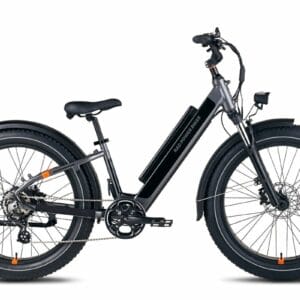
Our highest-rated e-bike was the RadRover 6 Plus at 9.1/10 — and it lists for $1,119. That’s less than half the price of the most expensive bike we tested. The single best value, rating-per-dollar, was the KBO Flip: an 8/10 folding commuter for $869. You don’t have to spend two grand to get a bike you’ll love.

The flagship RadRover gets a massive upgrade. From a brand new frame to the dual-screen Rad User Interface, this bike keeps the spirit of previous RadRovers and but innovates in all the right places.
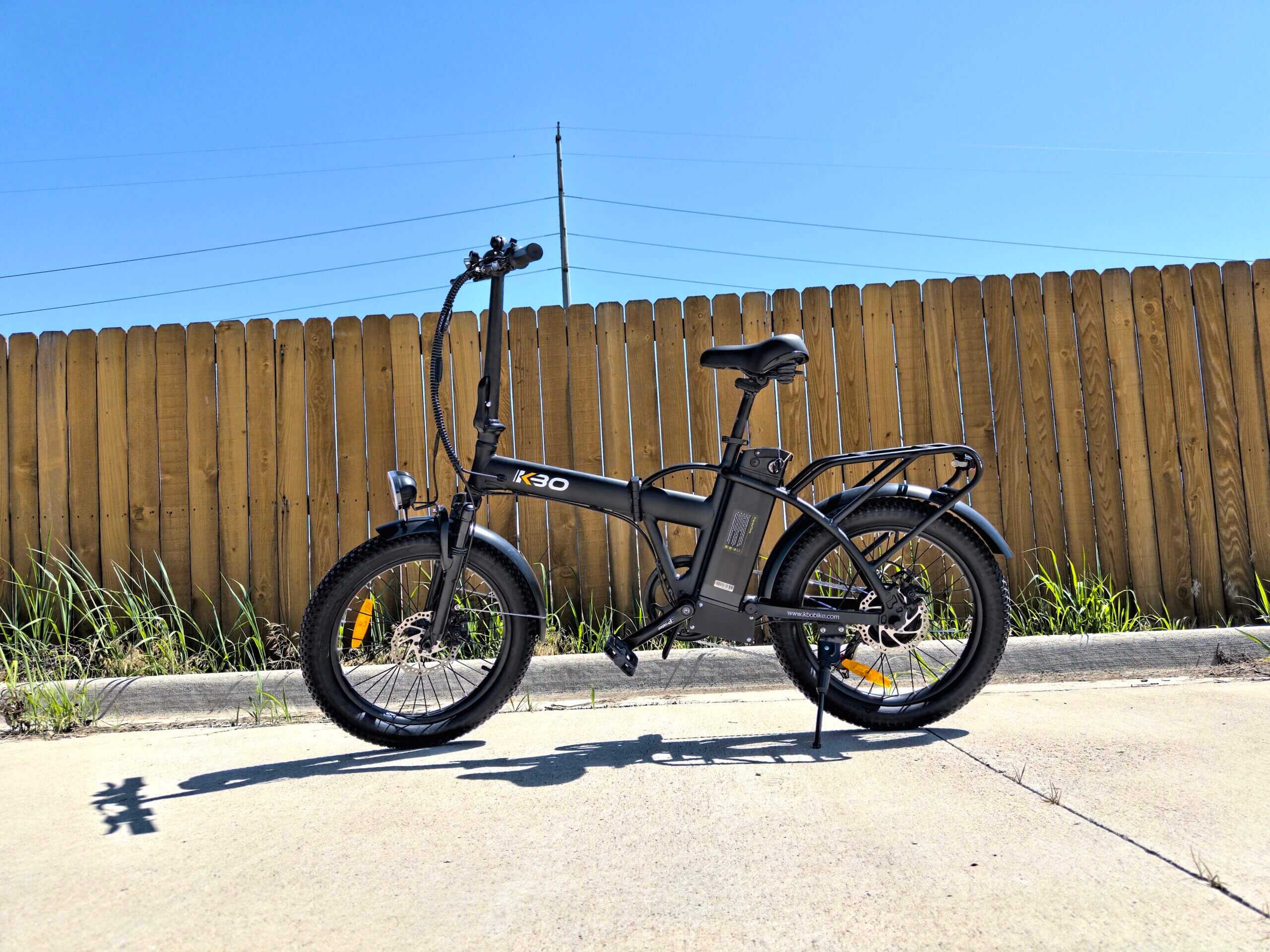
The KBO Flip is the bike we point friends to first. It folds, it’s cheap, and it never felt cheap to ride. Here’s the current price on it:

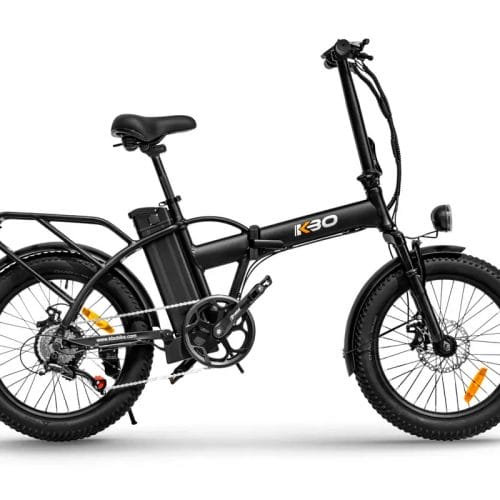
Foldable and sub-$1,000 make this a great electric bike for those short on space... and cash.
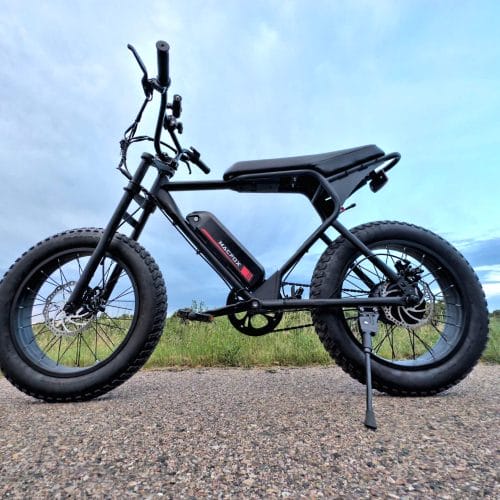
Heads-up: we originally featured the Eskute Netuno in this slot, but Eskute pulled their Amazon listing. The Lectric XP4 is our standing sub-$1k first-bike pick anyway — same $999, same beginner-friendly setup, and it’s the line we’ve put the most miles on.

Finding 3: E-bikes have quietly gotten good
81% of the e-bikes we tested — 25 of 31 — earned an 8/10 or higher. Not a single one scored below 6. A few years ago that wasn’t true; there was real junk on the market. Today the floor is high. The risk isn’t buying a bad e-bike anymore — it’s overpaying for one that isn’t meaningfully better than a cheaper option.

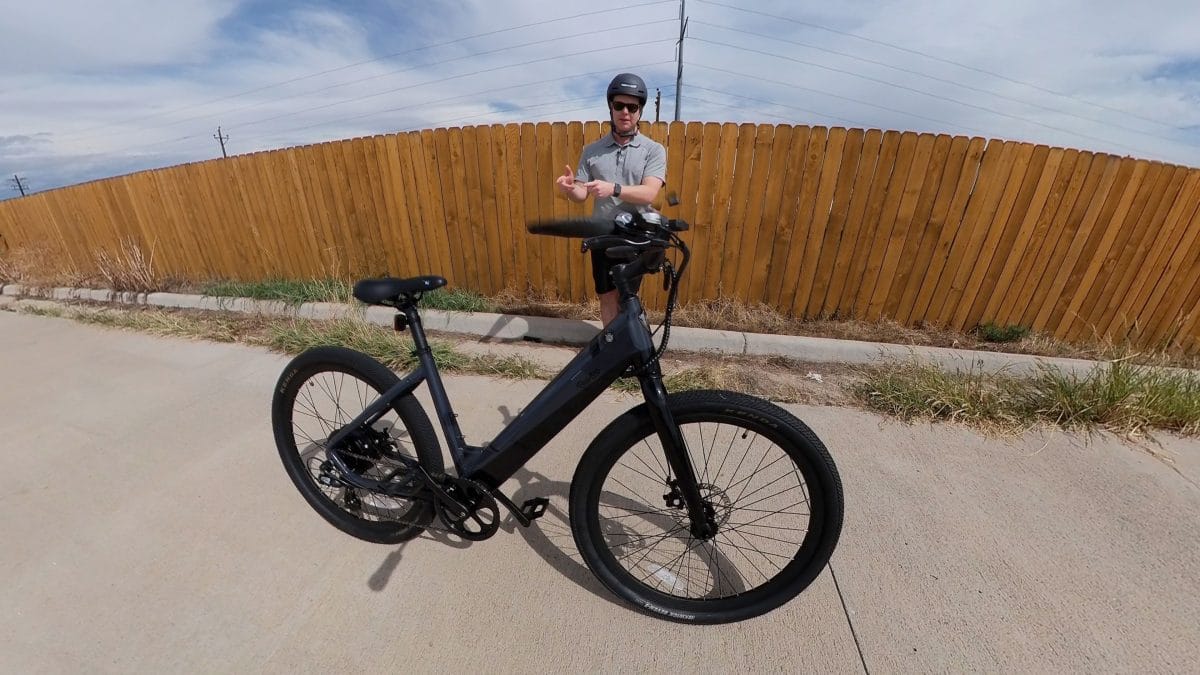
Take the Aventon Soltera — a 9/10 lightweight commuter at $1,199 — or the Ride1Up Core 5 at 8.5/10 for $1,195. Both land in the same band as our top pick, and both punch well above their price.

Looking for something lightweight, fun, and reliable? Check out the Aventon Soltera. It's affordable and makes city riding a lot more fun (and a lot less work).

A surprisingly great value! For under $1,200, you can get a great starter eBike from Ride1Up - a great eBike brand.

Full of features, including being foldable. But with looks that only a mother could love. This eBike is a great value for the price.

At about $1k, this is an incredible ebike for the price. Features premium features like hydraulic disc brakes and a 750W Motor, you simply can't go wrong.
The data: top e-bikes by value
These are the e-bikes that earned the most rating per dollar in our testing. Click any name for the full hands-on review.
| E-Bike | Price | Our Rating | Best For |
|---|---|---|---|
| KBO Flip | $869 | 8/10 | Folding commuters on a budget |
| Macfox X1 | $999 | 8.5/10 | City riders who want style under $1k |
| RadRover 6 Plus | $1,119 | 9.1/10 | All-terrain do-everything fat tire |
| Aventon Soltera | $1,199 | 9/10 | Lightweight urban commuting |
| Lectric XP4 | $999 | 8/10 | First-time buyers under $1k |
| KBO Compact | $1,099 | 8/10 | Small-space apartment storage |
| Ride1Up Core 5 | $1,195 | 8.5/10 | Best-selling budget commuter |
| Ride1Up Cafe Cruiser | $1,095 | 7.5/10 | Daily commuting |
So how much should you spend on an e-bike?
Based on our own ratings: roughly $900 to $1,500 is the sweet spot. That’s where almost all of our highest-value bikes landed. Above that, you’re paying for longer range, more motor power, cargo capacity, or a name — real things, but not things that made us like the bike more. Figure out the one feature you actually need, then buy the cheapest well-reviewed bike that has it. If you want the short list, here are the best e-bikes we’ve tested.
Update — July 2026: three bikes that didn’t make the dataset
We keep riding. Three e-bikes we’ve tested sit outside the 31-bike dataset above (they were reviewed under different test conditions, so we kept the data clean) — but if you’re shopping, they’re worth a look:
- Rad Power Radster Road ($2,199) — solid range for a high-speed commuter; the most polished Rad we’ve ridden.
- HAOQI Cheetah ($1,299) — maximum range, full suspension, and hydraulic brakes at a budget price. Our review called it a steal, and the value math here agrees.
- Himiway C1 (from $799) — the kids’ e-bike our kids actually fight over. Different category, same value lens.
The dataset and findings above are unchanged — prices spot-checked July 2026.
Frequently asked questions
Does a more expensive e-bike mean a better e-bike?
Not in our testing. Across the 31 e-bikes we bought and rated, the correlation between price and our score was -0.16 — essentially flat, leaning slightly negative. Budget bikes under $1,500 averaged 8.17/10 versus 8.08/10 for bikes over $1,500. Past roughly $1,000, you’re mostly paying for range, motor power, and brand — not for a bike you’ll enjoy more day to day.
What’s the best value e-bike you tested?
The KBO Flip at $869 earned an 8/10 and the most rating-per-dollar of any adult e-bike in our set. The RadRover 6 Plus ($1,119) was our highest-rated bike overall at 9.1/10 and still cost less than half of our priciest test unit.
How many of these e-bikes would you actually buy again?
81% of them — 25 of 31 scored 8/10 or higher. None scored below 6. E-bikes as a category have matured: most of what’s on the market now is genuinely good.
How do you rate e-bikes?
We buy the bikes ourselves, ride them as daily transportation, and score them out of 10 on build quality, range, ride feel, value, and how often we reach for them. We do not take payment for ratings. Full methodology is on our how we test page.
This study uses our own original testing data. Journalists and bloggers: you’re welcome to cite these figures with a link back to this page — and if you want the full dataset or a custom chart, reach out.