
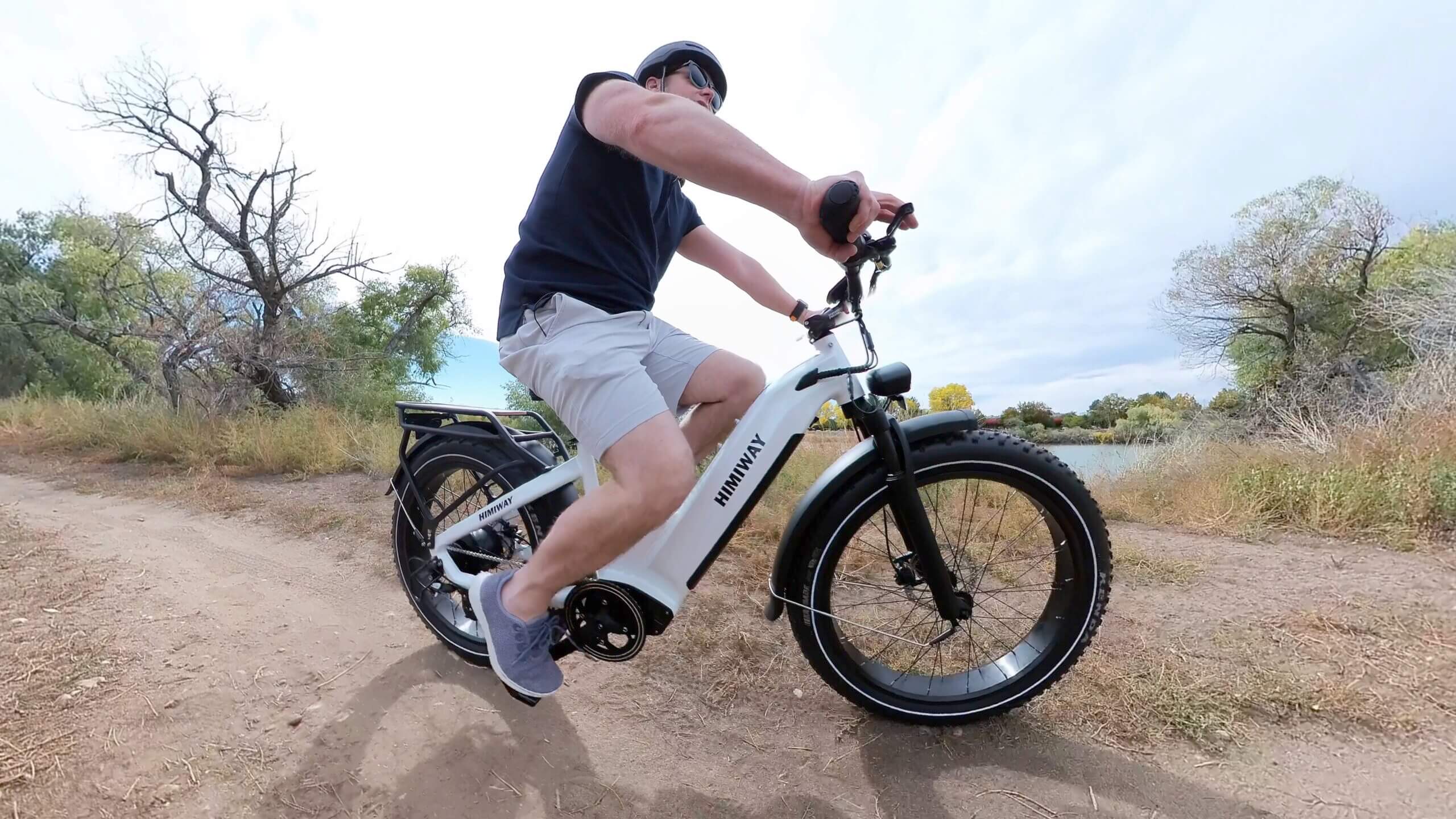

Rad Power vs. Aventon: Rad Power is the Toyota of e-bikes — reliable, everywhere, great value. Aventon is the Mazda — sportier, faster, more exciting. We’ve ridden both brands extensively (see our best eBikes of 2026 roundup). Here’s which one deserves your garage space.
TL;DR

Aventon wins on performance. Rad Power wins on accessibility. If you want an e-bike that’s fast, powerful, and sporty — Aventon. If you want an e-bike that’s easy to ride, easy to maintain (and absolutely worth the investment), and built for people who aren’t “bike people” – Rad Power. Both are excellent. The question is what kind of rider you are.
| Rad Power RadRover 6 Plus | Aventon Aventure 2 | |
|---|---|---|
| Price | ~$1,799-$2,099 | ~$1,899-$1,999 |
| Motor | 750W (750W peak) | 750W (1,130W peak) |
| Torque | 50 Nm | 80 Nm |
| Top Speed | 20 mph (Class 2) | 28 mph (Class 3) |
| Range | ~45-50 miles | ~53-60 miles |
| Battery | 672 Wh | 720 Wh |
| Best For | Beginners & casual riders | Performance & speed |
Best for Beginners: Rad Power Best Performance: Aventon Best Value: Rad Power (on sale)
The Problem
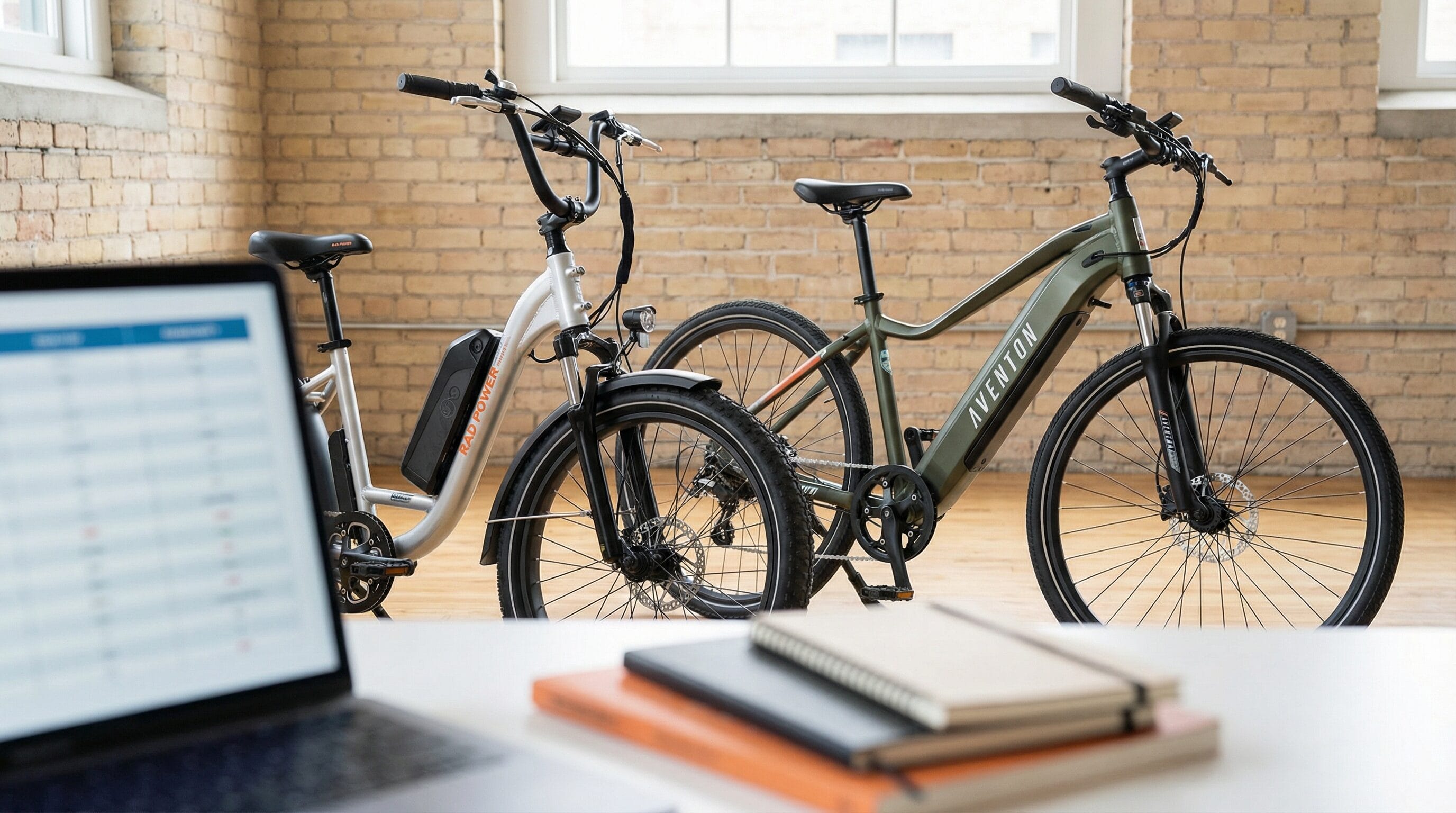
Buying an e-bike in 2026 feels like buying a car in 2010 — there are suddenly too many options, the technology is evolving fast, and every brand claims to be the best value.
Two brands dominate the mid-price conversation: Rad Power (the biggest e-bike brand in the US) and Aventon (the performance-focused challenger). They’re priced similarly, look similar from a distance, and both promise to replace your car for short trips.
But ride them back-to-back and the differences are significant. It’s like test-driving a Camry and a Mazda 3 — both get you there, but the driving experience is completely different.
We’ve tested multiple bikes from both brands on Colorado roads (and hills — lots of hills). Here’s the breakdown.
The Contenders

Rad Power Bikes (RadRover 6 Plus, ~$1,799-$2,099) — The biggest e-bike brand in America. They sell direct, they focus on accessibility, and their bikes are designed for people who might not have ridden a bike in years. Think of them as the Subaru of e-bikes — practical, reliable, not trying to impress anyone.
Aventon (Aventure 2, ~$1,899-$1,999) — The performance-first brand. More torque, higher top speed, sportier geometry. They attract people who actually like biking and want electric assist to go farther/faster. Think of them as the Mazda of e-bikes — more engaging to ride, designed for people who care about the experience.
Read all about our guide to the best eBikes.
Round 1: Comfort & Ride Quality

Winner: Rad Power
Rad Power bikes are designed for people who haven’t been on a bike since college. The riding position is upright, the seat is cushioned, and the overall geometry says “relax.”
The RadRover 6 Plus has a cadence sensor (measures how fast you pedal) rather than a torque sensor (measures how hard you pedal). The difference? Cadence sensors feel more like “the bike is doing the work” — you spin your legs lightly and the motor kicks in. It’s less athletic but more effortless.
Aventon’s torque sensor means the harder you push, the more the motor assists. It feels more like enhanced cycling than motorized transportation. More engaging, but also more work. If you’re fit and love riding, it’s a feature. If you just want to get to the grocery store without sweating, it’s a bug.
Suspension: Rad Power has 60mm of fork travel. Aventon has 80mm. Aventon handles rough roads better on paper, but Rad’s upright position absorbs road vibration more naturally through your body position.
Round 2: Performance & Speed
Winner: Aventon
This isn’t close, and the spec sheets tell the story.
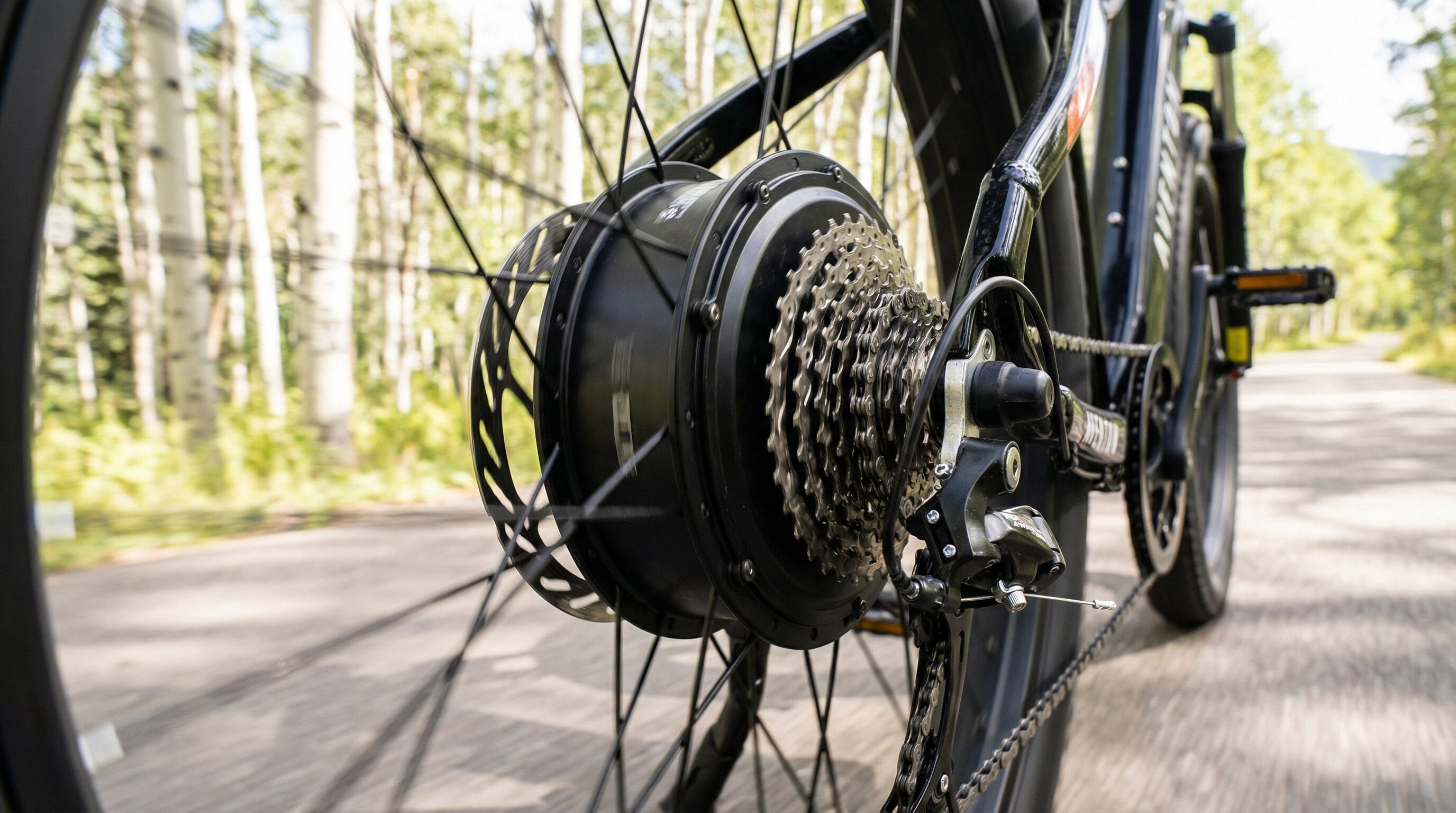
Aventon’s Aventure 2 is Class 3: 28 mph pedal-assist top speed, 1,130W peak motor output, and 80 Nm of torque. It PULLS on hills. We have some serious inclines in Fort Collins (especially heading toward Horsetooth), and the Aventon climbed them like they were flat.
Rad Power’s RadRover 6 Plus is Class 2: 20 mph top speed, 750W peak, and 50 Nm of torque. It handles hills fine but you feel them. The motor assists but doesn’t dominate the way Aventon’s does.
The 8 mph speed difference matters more than you’d think. 20 mph feels like “assisted bike.” 28 mph feels like “I’m keeping up with traffic on a city street.” It changes what kind of trips you can realistically use the bike for.
Range: Aventon also wins here — 53-60 miles vs Rad’s 45-50. The bigger battery (720 Wh vs 672 Wh) plus more efficient torque sensor means more miles per charge.
Round 3: Features & Extras

Winner: Rad Power (for the package)
Rad Power includes things that Aventon charges extra for or doesn’t offer:
- Walk assist mode — pushes the bike for you at walking speed. Invaluable when you’re pushing a 65lb e-bike uphill to your apartment. Aventon doesn’t have this.
- Accessory ecosystem — racks, bags, child seats, mirrors, all designed specifically for their bikes. Aventon has racks but the accessory catalog is smaller.
- Customer support — Rad Power has dedicated service centers in several cities. Aventon is primarily online/dealer-based.
Where Aventon wins on features:
- Full-color display with smartphone app connectivity
- USB charging port for your phone while riding
- Integrated lights with turn signals
- Rear rack included at base price (Rad charges extra)
- 4 size options and 4 colors (Rad has 2 and 2)
If you think of these as transportation tools, Rad’s ecosystem wins. If you think of them as tech gadgets, Aventon’s features win.
Round 4: Price & Value
Winner: Rad Power (when on sale)
At full retail, they’re within $100 of each other. But Rad Power runs frequent sales — we’ve seen the RadRover 6 as low as $1,599. At that price, it’s the clear value leader.
Aventon occasionally discounts too, but less aggressively. Their performance advantage means they don’t need to compete on price as hard.
The hidden cost: Maintenance. Rad Power’s simpler cadence-sensor system has fewer things to go wrong. Aventon’s torque sensor is more sophisticated but also more expensive to service if something breaks. Long-term ownership cost leans Rad.
Resale value: Aventon holds value slightly better in our observation — the higher performance specs age better than Rad’s entry-level positioning.
Who Should Buy Which

Buy Rad Power (RadRover 6 Plus) if:
- You’re new to e-bikes or haven’t biked in years
- You want the most “just works” experience possible
- You’ll use it for errands, commuting, casual rides (not sport)
- Walk assist matters (apartment living, tight storage)
- You want strong customer support and a service network
- Budget is a factor and you’ll wait for a sale
Buy Aventon (Aventure 2) if:
- You’re an active cyclist who wants electric assist for longer rides
- You want to hit 28 mph and keep up with road traffic
- Hills are a regular part of your route (that 80 Nm torque matters)
- Range matters — you ride 30+ miles at a time
- You want a more engaging, sporty ride feel
- You care about integrated tech features (app, display, USB)
The Final Verdict
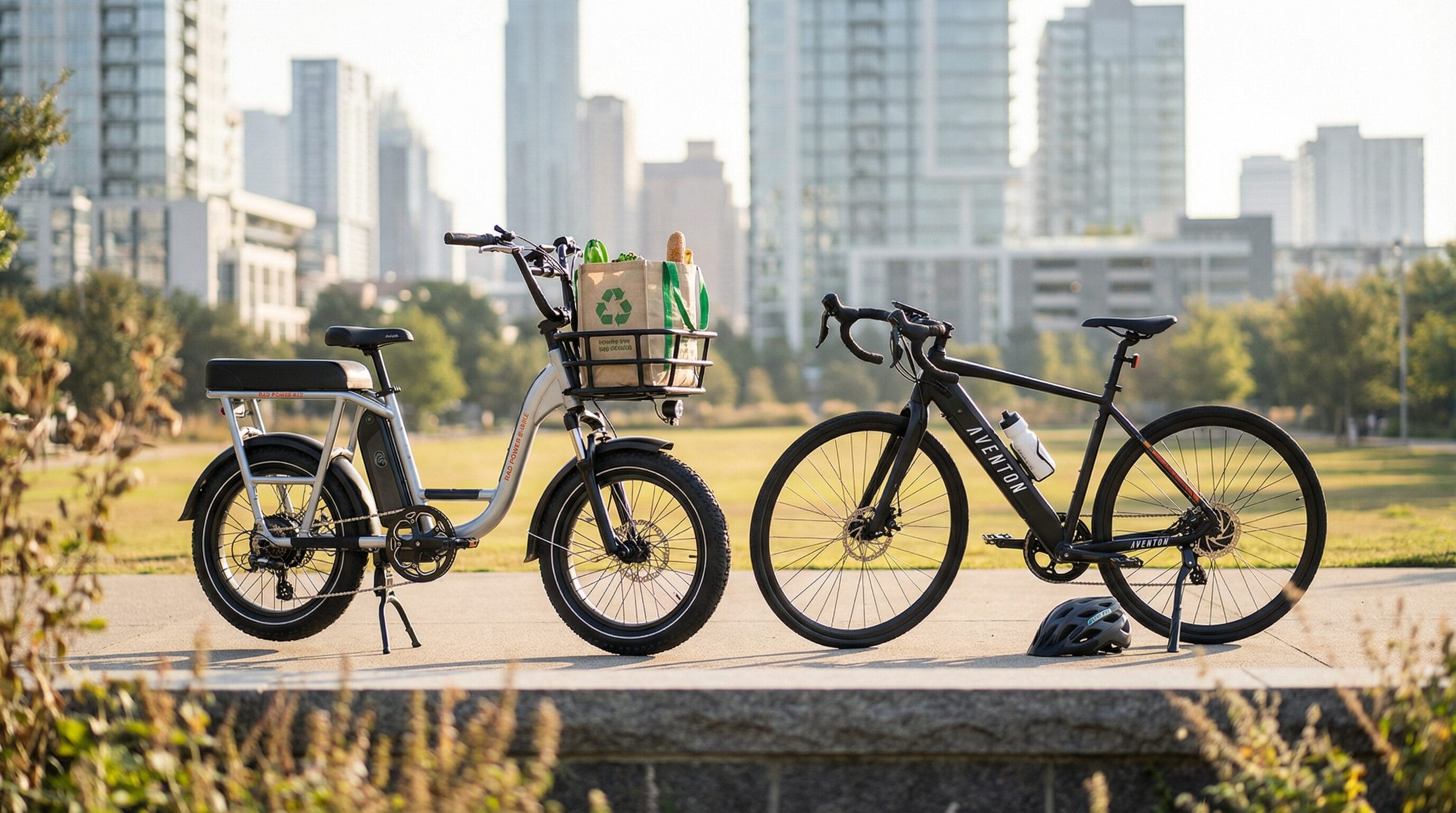
Rad Power makes e-bikes for people who want transportation. Get on, go places, don’t think too hard about it.
Aventon makes e-bikes for people who want better cycling. You already like bikes — now you want to go farther, faster, with less fatigue.
For our money? If you’re buying your first e-bike and just want to stop driving to the grocery store, Rad Power is the safer bet. The gentle learning curve and accessible ride make the transition from car to bike painless.
But if you’ve ridden e-bikes before (or you’re already a cyclist), Aventon’s performance is hard to ignore. That torque sensor, that speed, that range — it’s a genuinely better ride. You just have to know enough about bikes to appreciate it.
FAQ
Can I ride either of these in the winter?
Both have fat tires (4″) which handle snow and ice better than standard tires. We’ve ridden both in Fort Collins winters — light snow is fine, ice is sketchy regardless of tire. The heavier Rad Power (about 73 lbs) feels slightly more planted in slippery conditions. Also check our mid-drive vs hub motor guide for winter performance considerations.
Do I need a license or registration for these e-bikes?
In Colorado (and most US states), no. Class 2 (Rad) and Class 3 (Aventon) e-bikes are treated like regular bicycles. No license, registration, or insurance required. Class 3 bikes may have trail restrictions in some areas — check local rules.
Which brand has better resale value?
Aventon, in our observation. The higher performance specs and sportier positioning hold value better on the used market. A 2-year-old Aventon Aventure sells for roughly 60-70% of retail. Rad Power bikes depreciate faster — roughly 50-60% of retail after 2 years.
Related Reviews: